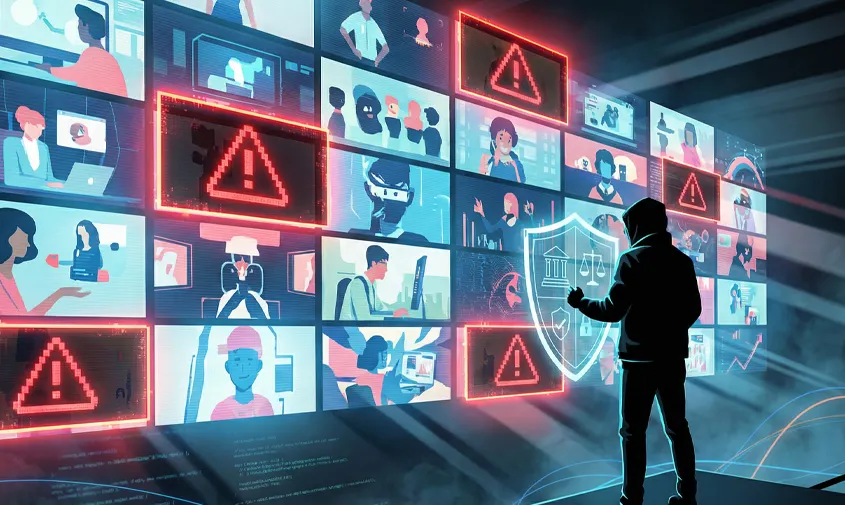
If you run a website, social network, or any kind of platform where users can upload or share content — artwork, videos, music, or anything else — you might be wondering: Am I legally responsible if one of my users uploads something that infringes copyright?
The short answer: Not necessarily — but only if you meet certain legal requirements.
Under U.S. copyright law — specifically the Digital Millennium Copyright Act (DMCA) — platforms that host or transmit user-generated content are generally referred to as “service providers.”
Importantly, this term isn’t limited to internet access companies like Comcast or Verizon. In the eyes of the law, it includes:
So if your website allows users to post or upload content, you’re likely considered a service provider under the DMCA.
The DMCA offers what’s known as “safe harbor” protection to service providers. This protection shields your business from financial liability if your users upload infringing content — such as copyrighted artwork — as long as you follow certain rules.
To qualify for DMCA safe harbor, your platform must:
To fully qualify for safe harbor, service providers must designate a DMCA agent to receive copyright infringement notifications. But this step involves two mandatory actions:
Failing to do both means you are not eligible for DMCA protection — regardless of how well you comply with the other rules.
Also, safe harbor protections are not retroactive. If your site is accused of infringement that occurred before your DMCA agent was registered, you can’t backdate compliance to shield yourself later.
Let’s say you operate an online art-sharing platform. A user uploads a piece of copyrighted art without permission. If:
Then your platform is likely protected from liability.
But if you miss even one key step — especially failing to register your DMCA agent — you may lose that protection completely.
You’re not automatically liable for your users’ copyright violations — but you’re not automatically off the hook either. The law gives you a path to avoid liability, but only if you act responsibly and meet the DMCA’s requirements, but only if you act responsibly and meet all of its requirements — including agent registration.
If your website or app allows users to post content of any kind, understand the rules, build compliant policies, and take infringement seriously. It’s not just about protecting artists — it’s about protecting your business.
If you’re unsure whether your platform qualifies for safe harbor protection — or you need help creating a repeat infringer policy, takedown process, or terms of service — now is the time to act. Don’t wait for a legal threat to force your hand.
👉 Reach out today to discuss how to protect your platform from copyright liability and stay compliant with the law.
Protect your users. Protect your business. Protect your future.